












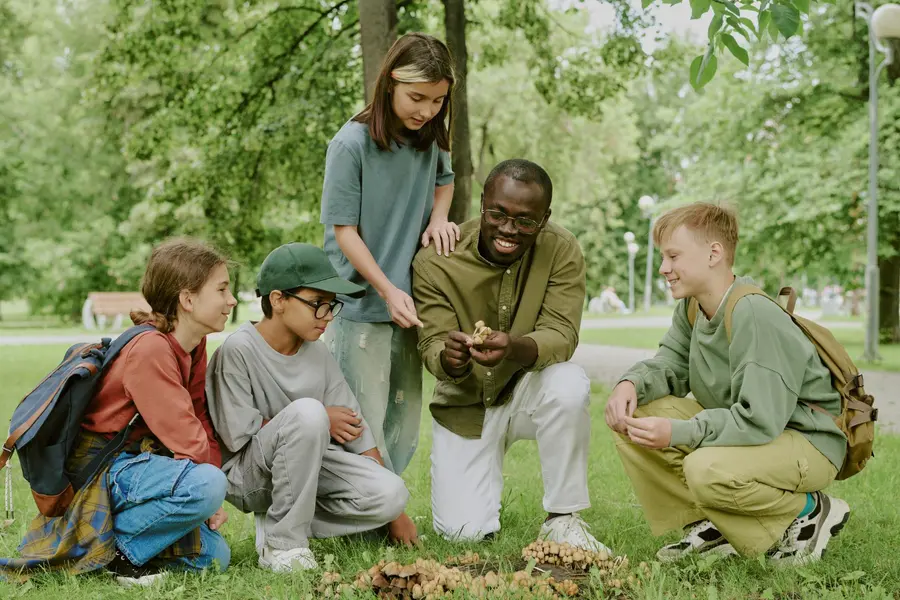
As schools search for ways to boost engagement and improve pupil well-being, many educators are asking: what is outdoor learning and how can it be used effectively?
In simple terms, outdoor learning is an experiential pedagogical approach that shifts the learning process from the traditional indoor classroom to outdoor environments̶ starting with your own school playground or yard. It is not merely outdoor physical education or unstructured playtime; rather, it is the deliberate teaching of academic subjects (such as mathematics, science, language, and art) using natural elements, outdoor space, and hands-on discovery.
The Benefits: Why Take the Curriculum Outside?
Research consistently demonstrates that taking lessons outdoors yields profound psychological, social, and academic benefits for pupils across all age groups.
Understanding what is outdoor learning involves recognizing that movement and fresh air directly stimulate brain function. When children engage with their physical environment, their attention spans increase, stress hormones decline, and peer collaboration flourishes naturally.
- Enhanced Cognitive Retention: Hands-on interaction with physical objects (such as measuring shadows or collecting natural data) anchors abstract concepts into long-term memory.
- Improved Emotional Regulation: Nature and open spaces significantly reduce anxiety and low-level classroom disruption.
- Inclusion for Kinaesthetic Learners: Pupils who struggle to sit quietly at a desk for long periods often thrive when given active, outdoor tasks.
Simple Ways to Transform Your School Playground into an Outdoor Classroom
You do not need access to a pristine forest or an expensive nature reserve to start teaching outside. Your school yard or patio offers endless learning opportunities.
| Subject | Traditional Indoor Task | Playground Outdoor Adaptation |
| Mathematics | Worksheet on geometry and angles | Measuring real angles, shadows, and perimeters using chalk and tape measures |
| Science | Reading about plant biology | Conducting micro-organism audits and soil investigations in garden beds |
| Language & Literacy | Writing descriptive essays | Using sensory observations outdoors to draft creative poetry and narratives |
| History / Social Studies | Timeline creation on paper | Mapping historical events out at scale across the playground pavement |
Overcoming Common Implementation Barriers
1. “The weather is too unpredictable”
Adopt the Scandinavian mindset: there is no bad weather, only inappropriate clothing. Establish clear guidelines with parents at the start of the academic year regarding outdoor footwear and coats so pupils are prepared year-round.
2. “Classroom management will become too difficult”
Set firm physical boundaries in the playground before starting the lesson. Establish a simple whistle or hand-signal routine that means “stop, freeze, and look at the teacher” instantly.
3. “It takes too much time to prepare”
Start small. You do not need to re-engineer your entire scheme of work. Commit to delivering just one 30-minute outdoor activity per week until you build your confidence and routines.
Master Outdoor Pedagogy with English Matters
Moving your teaching practice outside requires more than enthusiasm; it requires structured techniques, safety protocols, and creative activity frameworks that align with national curriculum standards.
To discover the full potential of what is outdoor learning, turn to English Matters. They offer specialized, hands-on Erasmus+ professional development courses such as Outdoor and Context-based Learning, hosted in inspiring European locations.
Through these practical training mobilities, English Matters equips teachers with the exact tools, lesson plans, and management strategies needed to transform any school playground into an engaging, dynamic educational space.