










For educators interested in progressive pedagogy, understanding the Swedish education system revolves around its unwavering commitment to equality, pupil autonomy, and digital integration.
In Sweden, education is viewed as a fundamental democratic right, structured to cultivate critical thinking rather than passive memorisation. From early childhood through to upper secondary school, the system minimises high-stakes testing, encourages informal student-teacher relationships, and heavily integrates technology and outdoor activity into daily routines.
Core Pillars of Swedish Pedagogy
To appreciate why Sweden continues to inspire European educators, one must look at the structural choices that define its classrooms. The Swedish National Agency for Education (Skolverket) sets national goals, but individual municipalities and teachers enjoy substantial freedom in deciding how to achieve them.
| Key Aspect | Swedish Education Model | Typical Classroom Impact |
| Grading Scale | No formal grades until Year 6 (age 12) | Reduces early academic anxiety and promotes intrinsic motivation |
| Digital Infrastructure | 1:1 device ratio in most schools | Seamless integration of ICT across subject areas |
| Teacher-Pupil Dynamic | Informal, first-name basis | Fosters open dialogue, debate, and democratic participation |
| Pre-school (Förskola) | Play-based, outdoors-focused until age 6 | Prioritises social development, movement, and emotional health |
Key Features That Distinguish Swedish Schools
1. Democracy and Student Voice in the Classroom
In Swedish schools, pupils are actively consulted on classroom rules, project themes, and learning formats. This democratic approach teaches young people how to negotiate, express opinions respectfully, and take personal responsibility for their educational journey.
2. Comprehensive Digital Learning
Sweden was an early adopter of classroom technology. Rather than viewing screens as a distraction, Swedish schools treat digital tools as essential everyday instruments, equipping pupils with robust digital literacy and media-criticism skills from a very young age.
3. Inclusion and Equal Opportunity
Special educational needs support is integrated directly into mainstream environments wherever possible. Multi-disciplinary teams—comprising special educators, nurses, and counsellors—work alongside subject teachers to ensure no student is left behind.
Why Observing Swedish Classrooms Transmutes Theory into Practice
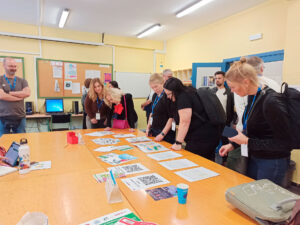
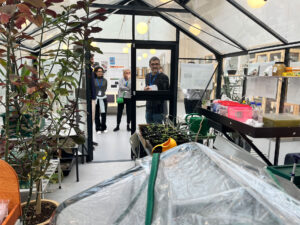
Reading about the Swedish education system provides valuable theoretical context, but sitting inside a Swedish school reveals the subtle realities of their daily operations. Experiencing the relaxed yet purposeful atmosphere, seeing how break times are used, and observing how teachers manage independent group work offers practical insights that no policy document can convey.
Experience the Swedish Model First-Hand with English Matters
Transforming your understanding of international educational systems requires direct, structured access to foreign schools, which can be difficult to arrange independently.
Through their acclaimed Erasmus+ mobility programmes, English Matters organises courses to learn about the Swedish education system and schools and job shadowing experiences in Sweden.
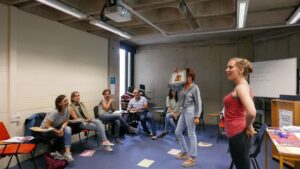
Their carefully curated itineraries allow you to step inside Swedish primary and secondary schools, observe live lessons, engage in professional dialogues with Nordic colleagues, and reflect on key takeaways during guided seminars.