




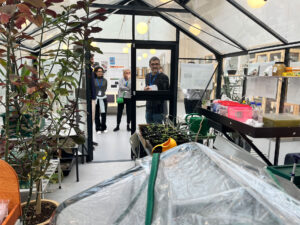

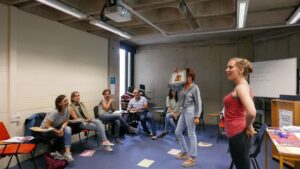

When educators plan international mobilities, a recurring question arises: why to Study the Education System and Schools in Iceland and Finland is the most popular choice for teachers. The straightforward answer lies in the exceptional international reputation of the Nordic educational models.
Both countries consistently lead global benchmarks by prioritizing student well-being, minimal standardized testing, equal opportunities, outdoor learning, and high levels of teacher autonomy. Observing these principles in action provides teachers with transformative, practical insights that go far beyond traditional textbook theory.
The Magnetism of Nordic Education
For decades, European educators have turned their eyes northwards to study how Nordic countries achieve outstanding academic results while maintaining some of the lowest stress levels among pupils worldwide.
Understanding why to study the education system and schools in Iceland and Finland is the most popular choice for teachers requires looking at how these nations rethought the traditional classroom environment. Instead of rigid rows and high-stakes exams, visitor teachers discover flexible learning spaces, democratic relationships between staff and students, and a deep-seated belief that play and outdoor exposure are essential to cognitive development.
| Educational Pillar | Finnish Approach | Icelandic Approach |
| Core Philosophy | Less structured testing, trust in teacher professionalism | Equal opportunities, inclusion, and creative thinking |
| Learning Environment | Ergonomic, flexible, and tech-integrated spaces | Strong integration of outdoor natural spaces and arts |
| Pupil Well-Being | Frequent short breaks (15 mins per hour) | Holistic health, movement, and emotional resilience |
Key Takeaways from the Education System in Finland
1. The Power of High Teacher Autonomy
In Finland, teaching is one of the most respected professions, requiring a master’s degree. Finnish schools operate with minimal central inspection, trusting teachers to design their own curricula and assessment frameworks. Visiting teachers gain invaluable lessons on how to foster professional trust and classroom independence.
2. Phenomenon-Based Learning
Rather than teaching subjects in strict isolation, Finnish educators frequently use cross-curricular “phenomenon” blocks. For instance, a topic like Climate Change combines geography, physics, economics, and foreign languages, showing pupils how knowledge connects in the real world.
Key Takeaways from the Education System in Iceland
1. Seamless Integration of Outdoor Education
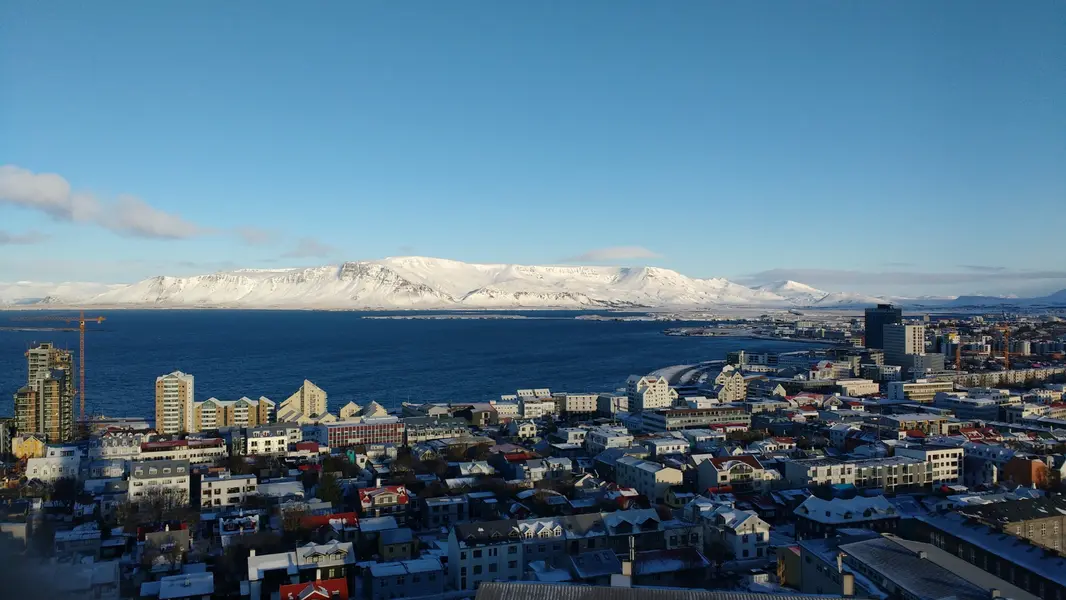
Iceland’s dramatic natural landscape is not just a backdrop; it is an active classroom. Icelandic primary and secondary schools embed outdoor learning into their weekly schedules regardless of the weather, teaching pupils’ resilience, environmental stewardship, and practical problem-solving.
2. Radical Inclusivity and Equality
Icelandic schools excel at creating democratic, fully inclusive environments where every student—regardless of background or learning difficulty—is fully integrated into mainstream learning with tailored support systems.
Why Experiencing It In Person Matters
Reading academic papers about Nordic school systems provides theoretical knowledge, but sitting inside an Icelandic or Finnish classroom reveals the subtle daily routines, teacher body language, and school cultures that make these systems thrive. This immersive reality explains why job shadowing in Iceland and Finland is the most popular choice for teachers when selecting an Erasmus+ mobility destination.
Experience Nordic Excellence First-Hand with English Matters
Organizing a job shadowing placement in a foreign school requires established relationships, clear educational objectives, and seamless logistics. Attempting to contact foreign schools independently rarely yields results due to administrative constraints.
This is where English Matters bridges the gap effortlessly. As a recognized leader in European teacher training, English Matters organizes structured courses to know the Education System and schools in both Finland and Iceland and other countries such as Sweden, Estonia, Portugal, Spain and Norway. The course provides visits to schools as a case of study, seminars and workshops to explore specific aspects of the education system and culture, professional and cultural discussion and reflection and Field projects “Contexts4Content” as a basis for the development of teaching materials to assist their students.